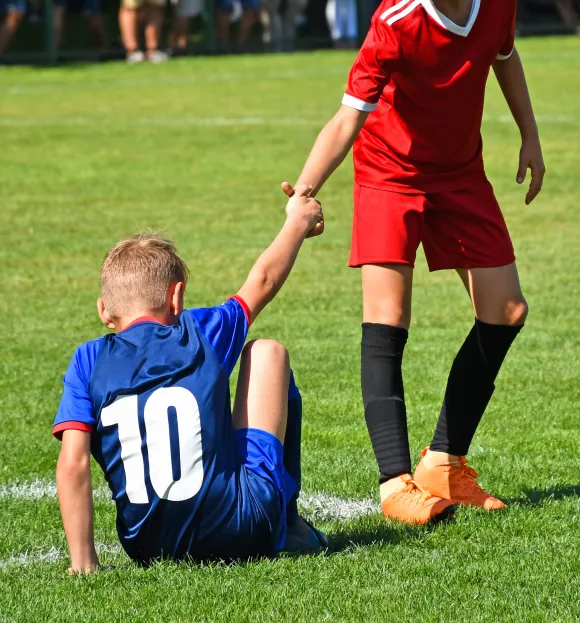
What is fair play is a common question among fans who want to gain a deeper understanding of the values that make football beautiful. This concept is not only about following the rules of the game but also about showing respect for opponents, referees, and spectators. When following matches on Socolive TV, viewers may witness many memorable displays of fair play alongside fiercely contested battles.
What does fair play mean in modern football?
Simply put, what fair play means can be explained as a spirit of fair competition, honesty, and respect for the shared principles of sport. A player who demonstrates fair play not only avoids breaking the rules but also knows how to control their emotions, respect the referee’s decisions, and behave appropriately toward opponents.
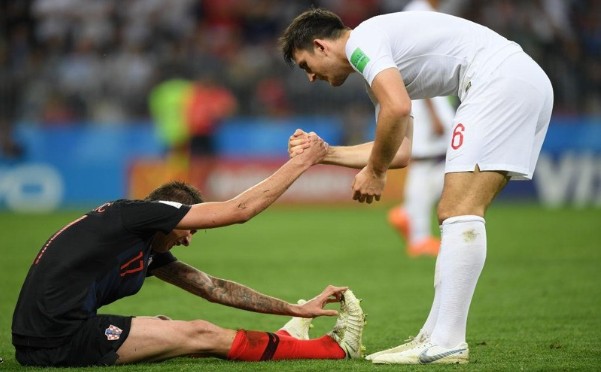
In professional football, fair play is considered an important part of sporting culture. Major competitions such as the Premier League, Champions League, and World Cup promote this spirit through regulations, media campaigns, and criteria for assessing player conduct. When searching for kenh truc tiep bong da toi nay, fans are interested not only in the score but may also pay attention to how players behave in different situations on the pitch.
Respecting the rules is the first foundation
Football’s rules clearly define which actions are permitted and which are prohibited on the pitch. However, fair play requires more from players than simply avoiding penalties. A player may not break any rules yet still be considered unsporting if they deliberately waste time, provoke opponents, or put unnecessary pressure on the referee.
Conversely, actions such as deliberately putting the ball out of play when an opponent is injured or admitting that they touched the ball last are often highly praised. On SocoliveTV, such incidents often spark considerable discussion because they show that football is about more than winning and losing.
Respecting opponents demonstrates a player’s character
A match can be played at a very high intensity, especially when major teams face each other. Nevertheless, maintaining a calm attitude after physical challenges demonstrates a player’s professionalism.
Anyone who understands what fair play means will recognize that respecting opponents does not mean competing without determination. Players can still challenge aggressively, press relentlessly, and protect their lead until the final minute, provided their actions remain within the rules. When watching a match through Soco Live, fans can easily distinguish between a fiercely contested challenge and a deliberate attempt to injure an opponent.
Respecting referees helps maintain order during matches
Referees are responsible for managing matches and making decisions within a very short time. Not every decision will be accepted by players or fans, but surrounding, insulting, or putting excessive pressure on referees goes against the spirit of fair play.
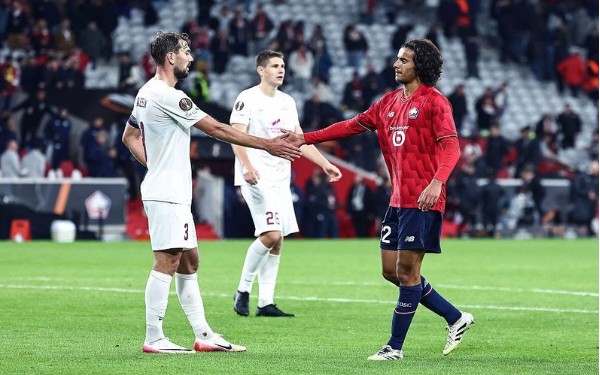
VAR technology has significantly assisted referees, although controversy remains part of football. In these situations, the professional attitude of players and coaching staff plays an important role in preventing matches from getting out of control.
Typical examples of fair play
Fair play can appear in many different situations, ranging from a small gesture between two players to the way an entire team responds to an unfavorable decision.
Taking the initiative to help an opposing player
One of the most familiar sights is a player stopping an attack after noticing that an opponent has suffered a serious injury. Although the rules do not always require this action, many players still choose to put the ball out of play so medical staff can enter the pitch.
That is why explanations of what fair play means often emphasize ethics and voluntary conduct. The value of fair play lies in a player’s decision to do the right thing, even when doing so may reduce their team’s advantage.
Not exploiting mistakes in an unsporting way
Football history has seen many instances in which a team returned possession to its opponents after play was stopped because of an injury. This is not mandatory in every situation, but it has become a customary gesture that demonstrates mutual respect.
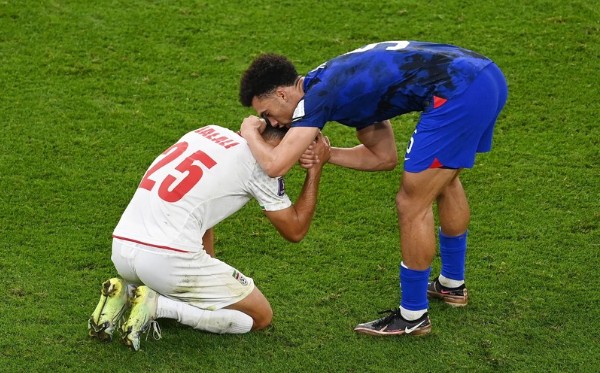
For viewers who regularly watch Soco Live TV and check tỷ lệ kèo trực tuyến, such moments demonstrate that the result is not the only factor determining the value of a contest. How players achieve victory is just as important as the victory itself.
Accepting the result after the match
Losing an important match can leave players disappointed, especially in finals or knockout rounds. However, shaking hands, congratulating opponents, and accepting the result are clear expressions of sportsmanship.
Experienced players often understand that arguing after the final whistle rarely changes the result. Instead of reacting negatively, they focus on analyzing their weaknesses and preparing for the next match. This also helps build a professional image for both players and clubs.
Why is fair play particularly important in football?
Football has a significant influence on communities, particularly young people. As a result, the behavior of famous players is often viewed as an example to follow. If the pitch is filled with violence, cheating, or insults, the image of the sport will suffer considerably.
Conversely, fair play helps preserve football’s long-term appeal. A fiercely contested but fair match often leaves a more positive impression than a victory achieved through dishonest behavior. This is why FIFA, UEFA, and many national football associations continue to launch campaigns promoting sportsmanship.
The value of football is reflected in how teams win and how they lose
The concept of what fair play means is also directly connected to creating a civilized sporting environment. When players respect one another, the risk of physical altercations decreases, referees can manage matches more easily, and spectators enjoy a more positive experience.
When using kenh truc tiep bong da toi nay to follow matches on Socolive Tivi, viewers can pay attention to details beyond goals, such as how players help their opponents, react to referees, or behave after a match. These are all factors that reflect a team’s culture.
Does fair play affect a team’s performance?
Fair play does not directly produce goals, but it can significantly affect a team’s performance and image. Teams that frequently receive red cards or disciplinary sanctions for losing control can be disadvantaged by having fewer players available, particularly in long tournaments.
By contrast, teams with good discipline tend to maintain more stable lineups. Their players are also less likely to get caught up in unnecessary disputes and can focus on their performance. These factors can indirectly improve results.
When analyzing matches on Socolive, fans sometimes combine information about player availability, card statistics, and tỷ lệ kèo trực tuyến to assess how fiercely contested a match might be. However, regardless of the level of competition, respect for opponents remains an important value that must be upheld.
Conclusion
Understanding what fair play means helps fans appreciate football more fully instead of focusing solely on scores or trophies. Fair play is demonstrated through honesty and respect for the rules, opponents, and referees in every situation. When enjoying matches on Socolive TV, memorable displays of sportsmanship are also part of what makes football such a remarkable sport.