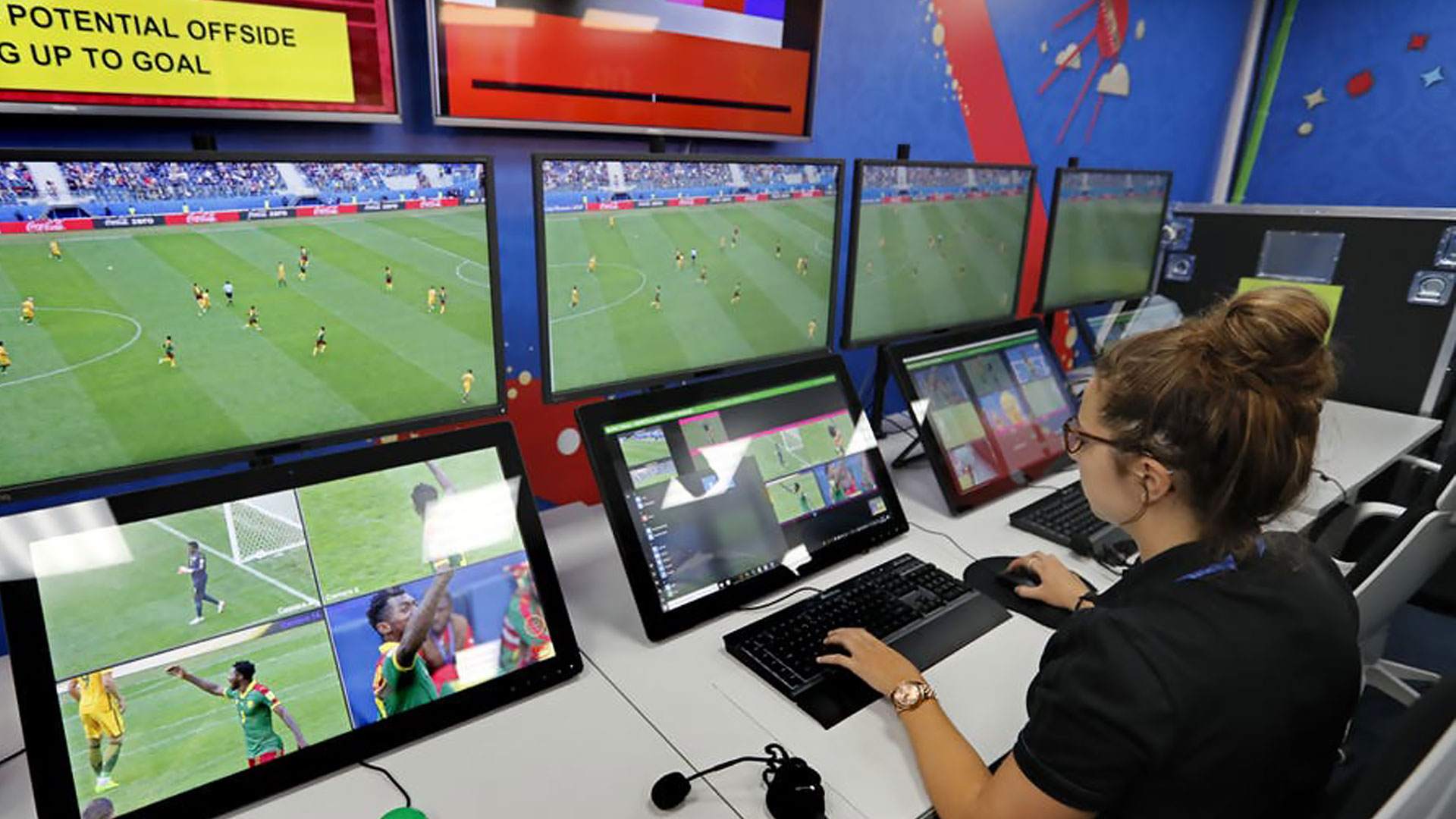
In the era of modern football, where match speeds continue to reach astonishing levels and the pressure of results grows increasingly intense, the line between victory and defeat can sometimes be determined in a split second. To minimise human errors in refereeing decisions, FIFA officially introduced a powerful assistant known as VAR. When the question of công nghệ var là gì arises, football enthusiasts are referring not only to an advanced camera system or a complex technical control room, but also to a revolution that has fundamentally changed how the world’s most popular sport is played and officiated. This article will explore the nature of this technology, how it operates, and its wide-ranging impact on football around the world.
The nature and precise definition of VAR technology
To fully understand công nghệ var là gì, we need to grasp its core concept through the following basic technical definitions:
- Definition: VAR stands for Video Assistant Referee. It is a high-tech support system designed to help the on-field referee minimise errors in decisions that could significantly affect the outcome of a match.
- Operational components: The system consists of a team of assistant referees stationed in a central video operations room (VOR). They communicate directly with the on-field referee through a wireless headset system and have access to all high-speed camera angles available at the stadium.
VAR’s ultimate purpose is not to replace the on-field referee’s decision-making authority, but to provide an objective lens through which controversial incidents can be reviewed. These nail-biting, contentious moments are always a fascinating topic of discussion among fans watching matches on platforms such as Xoilac365 TV.
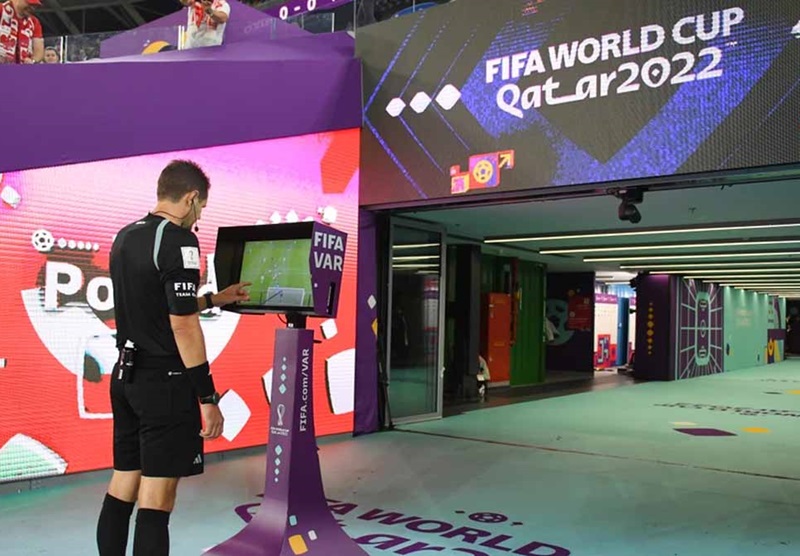
The four main types of incidents VAR can review
Not every incident on the pitch is eligible for a video review. Under international football regulations, VAR can intervene in only the following four types of match-changing situations:
1. Determining whether a goal should be allowed
Video officials check whether any rule violations occurred during the sequence leading up to a goal, such as an earlier offside offence, a handball, or an unnoticed foul in midfield.
2. Penalty decisions
VAR checks whether contact inside the penalty area warrants a penalty or whether the on-field referee has overlooked a clear and obvious offence.
3. Direct red cards
Dangerous and violent tackles are reviewed carefully to ensure that the most appropriate disciplinary action is taken.
4. Mistaken identity in disciplinary decisions
If the on-field referee penalises the wrong player because of a misidentification, VAR intervenes to correct the mistake immediately.
All these dramatic overturned decisions and VAR reviews are brought to life through broadcasts on Xoilac 365.
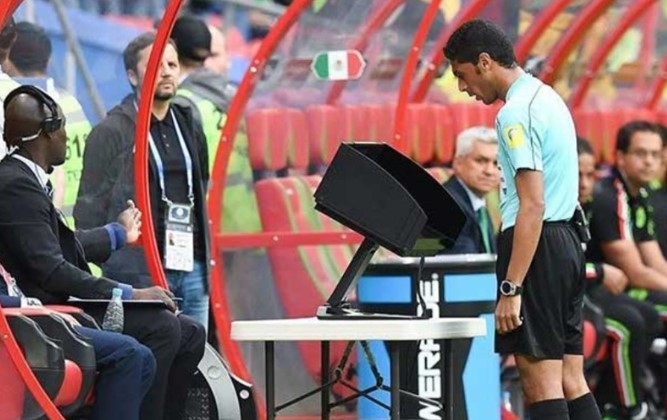
VAR’s impact on changes in the Italian football league standings
The introduction of video technology has sparked opposing viewpoints while significantly influencing team performance and the distribution of points across Europe’s leading domestic leagues.
Changes in fairness and points across matchdays
In Serie A, where sophisticated defensive tactics and subtle gamesmanship have long been prominent, VAR helps make refereeing decisions more transparent. Correctly awarded penalties and accurately disallowed offside goals have directly affected the number of points earned by clubs, leading to constant shifts in the bảng xếp hạng bóng đá Italia.
Psychological pressure and the pace of play for top clubs
Repeated interruptions while waiting for signals from the VAR room can sometimes disrupt players’ momentum and test the patience of coaching staff and spectators alike. Nevertheless, the technology’s influence on the Scudetto race is undeniable, making every change in the bảng xếp hạng bóng đá Italia more unpredictable than ever. Fans following match developments through Xôi Lạc 365 can easily see how these turning points affect the standings, gaining a clearer understanding of the demands of elite-level tactics.
A balanced perspective: A technological miracle or an emotional burden?
When discussing công nghệ var là gì, experts continue to debate the advantages and disadvantages it brings to the world’s most popular sport:
- A major advantage in terms of fairness: It minimises phantom goals and damaging injustices that could alter the course of football history, bringing greater transparency to a multibillion-dollar industry.
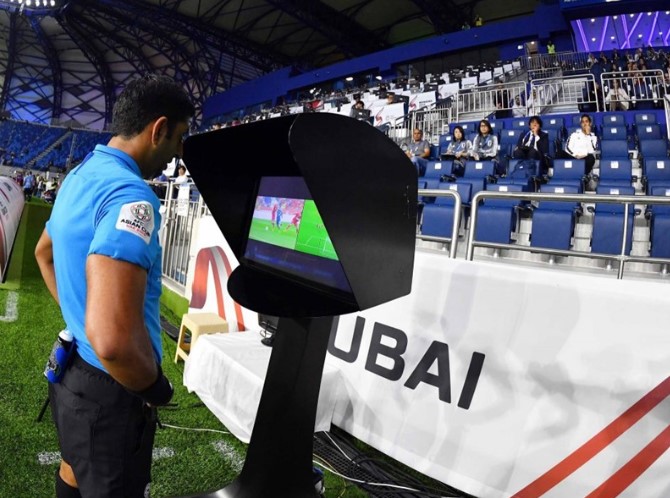
- A drawback for spontaneous emotions: Fans’ moments of goal celebration can sometimes be delayed or completely extinguished while they wait for the referee to review the footage on the pitchside monitor (OFR).
In-depth analysis from every perspective on this topic is explored in detail by commentators at Xoi Lac TV during their pre-match and post-match discussion programmes.
Conclusion
The introduction of video assistant referees has completely reshaped the way football is viewed and understood in the 21st century. Although debates over delays and emotional impact remain unresolved, there is no denying that this technology is gradually eliminating controversial grey areas and helping restore fairness to every moment of play.